Understanding Window Tint
What is Window Tint?
Window tint refers to the application of a thin, tinted film to the glass surfaces of vehicles, homes, or commercial buildings. The primary purpose of window tint is to enhance privacy, reduce glare, and shield occupants and interiors from harmful UV rays. This film varies in darkness and color, allowing consumers to customize their experience based on their preferences and needs. Not only does it elevate aesthetics, but it also serves to improve comfort and safety in driving environments.
Types of Window Tint Available
There are various types of window tints available, each with its unique properties and benefits:
- Dyed Window Tint: This is the most common and cost-effective type. It uses dyed film to absorb sunlight, offering basic heat and glare reduction.
- Metalized Window Tint: Contains metallic particles that reflect heat and glare. This type provides better durability and privacy than dyed tints.
- Ceramic Window Tint: An advanced option, this film uses ceramic particles that block UV rays and heat without interfering with electronic devices. It's durable and offers high clarity.
- Hybrid Window Tint: Combines dyed and metalized films, providing a balance of cost, heat rejection, and glare reduction.
Benefits of Window Tinting for Your Vehicle
Tinting your vehicle's windows comes with a multitude of benefits:
- Heat Reduction: Tinting can dramatically reduce the heat inside your vehicle, providing a cooler environment and reducing reliance on air conditioning.
- UV Protection: Most tints block over 99% of harmful UV rays, protecting your skin and preventing fading of your interior.
- Increased Privacy: Tinted windows offer better privacy for passengers and belongings, deterring theft.
- Enhanced Aesthetics: Tints can improve the overall look of your vehicle, giving it a sleek, polished appearance.
- Glare Reduction: Tinted windows significantly reduce glare from the sun and other vehicles, increasing safety while driving.
Choosing the Right Window Tint Near Me
How to Select a Reputable Tint Installer
Finding a reliable installer for window tinting is crucial. Start by searching for window tint near me and check online reviews. Look for ratings and testimonials on platforms such as Google, Yelp, or local forums. A professional installer should have a portfolio showcasing their past work, as well as industry certifications.
Questions to Ask a Window Tint Professional
When interviewing potential installers, here are some essential questions to consider:
- What type of window tint do you recommend for my vehicle?
- Do you have warranty options for the tinting services?
- How long will the installation take?
- What maintenance will the tint require?
- Are you familiar with local tinting regulations?
What to Expect During the Installation Process
The installation process typically takes a few hours. Here’s what you can expect:
- Preparation: The installer will clean the windows thoroughly to ensure there’s no dust or debris that could affect adhesion.
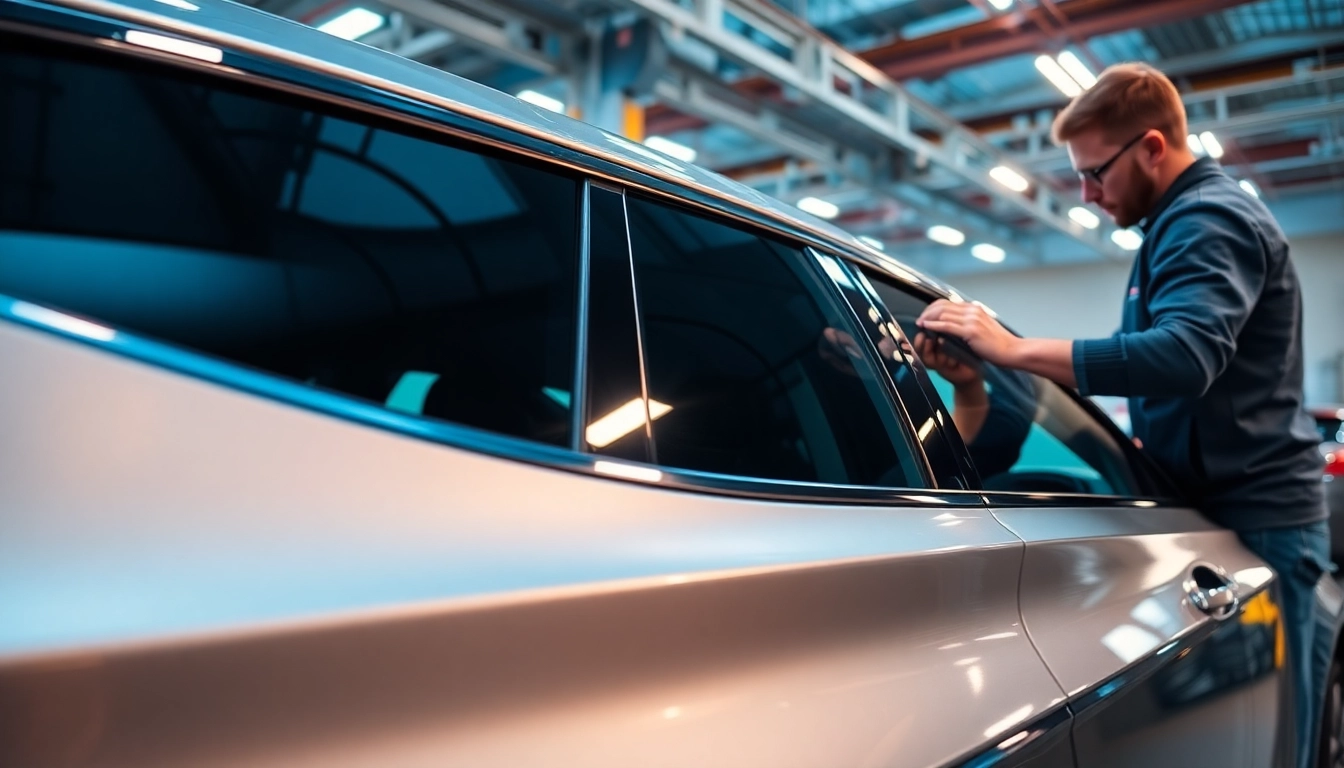
- Application: The chosen tint will be cut to the appropriate size and applied using special tools to avoid bubbles and creases.
- Drying: There’s typically a drying period where you may be advised to avoid rolling down the windows.
Local Laws and Regulations
Understanding Tint Darkness Regulations
Each state has its own regulations regarding tint darkness and reflection levels. It’s essential to familiarize yourself with these laws to avoid fines and ensure compliance when selecting a window tint. Typically, laws dictate how much light must pass through the window, which varies based on the window type (front, rear, and side). Always check local regulations to ensure your tint choice aligns with legal standards.
State-Specific Tinting Laws
Several factors contribute to your state’s tinting laws, including:
- Front Windshield: Some states allow only a clear strip at the top, while others are more lenient.
- Side Windows: Law often dictates what percentage of visible light transmission is permitted.
- Back Windows & Rear Windshield: Many states are more relaxed about tint percentages for these windows.
Potential Legal Consequences of Non-compliance
Driving with illegal tint can lead to fines, and in some cases, may even require you to remove the tint. In severe circumstances, it could also jeopardize vehicle safety measures, particularly if visibility is impaired. Always validate that your chosen professional adheres to local laws to mitigate legal repercussions.
Maintenance Tips for Your Window Tint
How to Care for Tinted Windows
Proper maintenance of tinted windows is crucial to ensure longevity and effectiveness. Here are several care tips:
- Cleaning: Use a soft cloth and a mild, ammonia-free cleaner to avoid damaging the tint. Regular cleaning prevents dirt build-up.
- Avoid Harsh Chemicals: These can break down the adhesive and damage the tint film.
- Be Gentle: When cleaning, avoid scrubbing aggressively, as this could scratch the film.
Common Mistakes to Avoid
To keep your window tint in prime condition, avoid the following mistakes:
- Using a squeegee on tinted windows can scratch and ruin the film.
- Rolling down tinted windows too soon after installation can cause the tint to peel.
- Ignoring the manufacturer’s cleaning recommendations may shorten the life of the tint.
When to Seek Professional Help for Repairs
If you notice bubbling, peeling, or discoloration, it may be time to consult a professional. Attempting to fix these issues on your own can lead to further damage, making it more costly to repair in the long run. A qualified installer can assess the problem and determine whether a repair or full replacement is necessary.
Frequently Asked Questions About Window Tinting
What is the average cost of window tint?
The average cost of window tinting ranges from $100 to $400, depending on the vehicle type and tint quality.
How long does window tinting last?
When properly cared for, quality window tint can last between 5 to 10 years before needing replacement.
Can I remove window tint myself?
While it's possible, it can be challenging. Removing tint requires careful technique to avoid damaging the glass or adhesive residue.
Is window tinting covered by insurance?
Some insurance policies may cover window tinting, depending on your plan. It’s best to check with your provider for specific details.
How does tinted window affect visibility?
Quality window tints should not significantly obstruct visibility. However, darker tints can limit view angles under low-light conditions.