
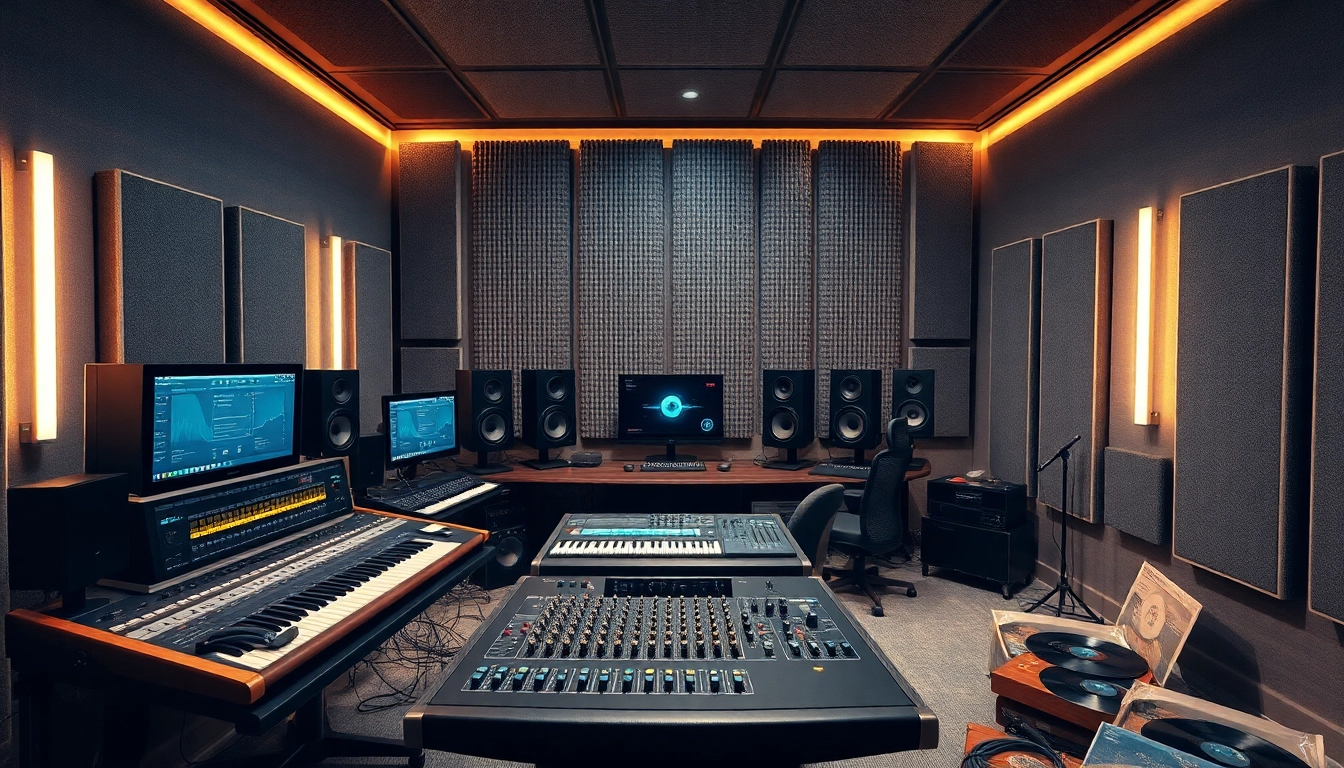
Understanding Online Audio Mastering
What is Online Audio Mastering?
Online audio mastering is a crucial step in the music production process that involves preparing and transferring recorded audio from a source to a data storage device or distribution platform. This process enhances the overall sound quality of the music, ensuring it translates well across various playback systems. With the advent of technology, artists and producers can now utilize online audio mastering services, which allow them to send their tracks digitally and receive perfected audio files without the need for a physical studio setup. You can find more information about how this service works by exploring online audio mastering.
Benefits of Online Audio Mastering
Utilizing online audio mastering services comes with numerous advantages:
- Accessibility: Musicians can access high-quality mastering services without geographical constraints, allowing global collaboration.
- Cost-effective: Online services often come at a lower price compared to traditional mastering, making them accessible to independent artists.
- Quick turnaround: Most online platforms offer rapid service, enabling artists to receive their mastered tracks in a matter of days.
- Detailed feedback: Many services provide analysis and insights into the mastering process, helping artists improve future projects.
Common Myths about Audio Mastering
Despite its advantages, many misconceptions surround audio mastering, including:
- Myth 1: Mastering is the same as mixing. While mixing involves blending audio tracks, mastering is the final polish.
- Myth 2: Only professionals need mastering. In reality, even home recordings can benefit significantly from professional mastering.
- Myth 3: Mastering can fix a poorly mixed track. Mastering enhances, but cannot remedy inherent mix issues.
Choosing the Right Service for Online Audio Mastering
Factors to Consider When Selecting a Service
When selecting an online audio mastering service, consider these factors:
- Experience: Look for services with a proven track record and testimonials from past clients.
- Technology: Ensure the service uses state-of-the-art software and hardware for high-quality output.
- Customer Support: A responsive and knowledgeable support team can make the process smoother.
- Trial Options: Some services offer trial mastering for a low fee, allowing you to evaluate their quality before committing.
Comparing Pricing Models for Online Audio Mastering
Pricing for online audio mastering can vary widely:
- Pay-per-track: Most common, charging a fixed fee per track, which is straightforward for budgeting.
- Subscription models: Ideal for artists releasing multiple tracks, allowing unlimited mastering for a monthly fee.
- Tiered pricing: Services may offer different packages based on the level of mastering and additional services.
Evaluating Quality: What to Look For
To assess the quality of an online mastering service, focus on:
- Sample Tracks: Listen to previous work to identify the service’s style and quality.
- Technology Used: Research the equipment and software utilized by the service for mastering.
- Feedback and Reviews: Scan customer reviews and testimonials for insights into their experiences.
The Mastering Process Explained
Step-by-Step Overview of Online Audio Mastering
The mastering process typically involves several key stages:
- Preparation: Artists submit their mixed tracks in the preferred format.
- Analysis: The mastering engineer analyzes the audio for issues such as balance and clarity.
- Processing: Various techniques are applied, including equalization, compression, and limiting to enhance the track.
- Rendering: The final mastered track is rendered into a high-quality audio file suitable for distribution.
- Delivery: The mastered tracks are sent back to the artists, often alongside a feedback report.
Essential Tools Used in Online Audio Mastering
Mastering engineers utilize a range of tools to achieve the best results, including:
- Equalizers: Help balance frequency ranges in the audio.
- Compressors: Control the dynamic range of the audio, ensuring no elements are too loud or too soft.
- Limiters: Prevent clipping by establishing a maximum output level.
- Metering Tools: Provide visual feedback on the audio, ensuring the quality meets industry standards.
Common Mistakes to Avoid During the Process
Avoid these common pitfalls when getting your music mastered:
- Rushing the Process: Take your time during mastering; hasty decisions can lead to poor quality.
- Not Providing Reference Tracks: Giving the mastering engineer examples of tracks you admire can guide them in achieving your desired sound.
- Neglecting Mix Quality: Ensure your mix is as polished as possible before submitting for mastering.
Maximizing Your Music’s Potential
Best Practices for Preparing Tracks for Mastering
Follow these best practices to prepare your tracks effectively:
- Ensure proper levels: Mix levels should be around -6 dB to -3 dB to leave headroom for mastering.
- Keep plugins minimal: Avoid excessive processing on your mix to allow for greater flexibility during mastering.
- Include metadata: Providing song titles and artist information in your submission can help streamline the process.
How to Communicate Effectively with Your Mastering Engineer
Effective communication is key to achieving your desired outcome:
- Be clear about your vision: Share specific references and descriptive feedback on your musical preferences.
- Provide context: Inform the engineer about the genre and intended audience for the track.
- Assist with revisions: Offer constructive feedback if revisions are necessary, outlining specific concerns.
Reviewing and Revisions: What You Should Expect
After receiving your mastered track, be prepared to:
- Review critically: Listen to the track on multiple systems (headphones, speakers) to evaluate its performance.
- Request changes thoughtfully: If adjustments are needed, be precise in your feedback to assist the engineer.
- Understand the limits: Recognize that some changes may not be feasible within the scope of the mastering process.
Measuring Success in Online Audio Mastering
Understanding Metrics for Audio Quality
To measure the success of an online audio mastering project, consider these key metrics:
- Loudness Levels: Ensure the track meets commercial loudness standards for its genre.
- Dynamic Range: Evaluate the balance between the soft and loud parts of the track, maintaining musicality without sacrificing energy.
- Frequency Balance: Check that there’s a smooth distribution of lows, mids, and highs in the mix.
Analyzing Feedback from Your Audience
Collect and analyze feedback to gauge the success of your mastered tracks:
- Engagement Metrics: Track how listeners respond through streaming stats, downloads, and shares.
- Direct Feedback: Encourage listeners to provide comments or reviews about the sound quality and overall experience.
- Adaptation: Use this feedback to inform future mastering choices and sound development.
Continuous Improvement: Adapting Your Strategy
Improvement is a continuous process. To adapt your audio mastering strategy:
- Stay Updated: Follow trends in audio mastering technology and methodologies to ensure you’re competitive.
- Network: Connect with other artists and engineers to share experiences, tips, and insights.
- Experiment: Test different mixing and mastering approaches to find what best enhances your sound.
Frequently Asked Questions
1. How long does online audio mastering take?
Online audio mastering typically takes 1-3 days, depending on the service and complexity of the tracks.
2. Can I master a track myself?
Yes, but professional mastering requires specific skills and tools; many prefer using specialists for optimal results.
3. What file format should I upload for mastering?
WAV or AIFF formats are recommended due to their high quality and appropriate bit depth for mastering work.
4. Do I need to mix my track before mastering?
Yes, a well-mixed track is essential for effective mastering, as it ensures the best enhancement of sound.
5. What distinguishes professional mastering from home mastering?
Professional mastering utilizes specialized tools, techniques, and trained ears, resulting in superior audio quality.