
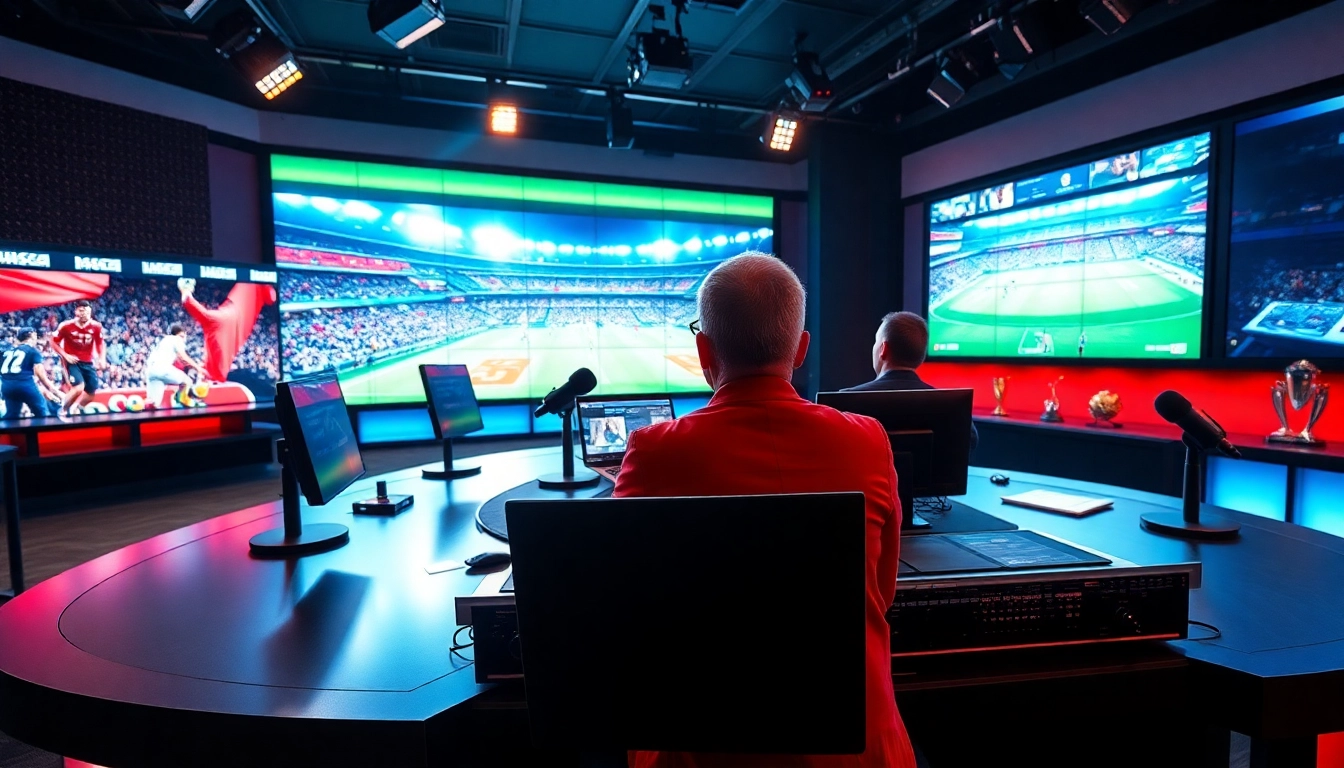
1. Introduction to Sports Broadcasting
What is Sports Broadcasting?
Sports broadcasting is the practice of transmitting live and recorded sporting events to an audience via various platforms, including television, radio, and the internet. The format of these broadcasts can include play-by-play commentary, analysis, and highlight reels. With the advent of digital platforms, the definition of sports broadcasting has expanded significantly, incorporating live streaming and various forms of interactivity. As the viewership for sports events grows, understanding the nuances of Sports Broadcasting becomes increasingly essential for both fans and industry professionals.
History of Sports Broadcasting
Sports broadcasting dates back to the early 20th century when radio became the first medium to relay sporting events to listeners. The first live radio sports coverage occurred in the 1920s, allowing fans to tune into important games and races. With the introduction of television in the mid-20th century, the landscape of sports broadcasting vastly changed, elevating viewership and advertising opportunities. Major events, such as the Super Bowl and the Olympics, began to attract a global audience, leading to revenue growth in broadcasting rights. By the turn of the millennium, the internet offered a new frontier for sports broadcasts, driven by streaming services and social media platforms, shaping how audiences consume sports today.
Importance of Sports Broadcasting Today
Today, sports broadcasting holds immense importance not only for fans but also for advertisers, athletes, and teams. It creates a direct line of connection between fans and their favorite teams, providing live access to thrilling moments and fostering community engagement. Furthermore, broadcasting rights have become a lucrative revenue source for sports organizations, with billions of dollars being generated from media deals. As technology advances and consumption habits evolve, effective sports broadcasting strategies are paramount for reaching diverse audiences across various platforms.
2. The Role of Technology in Sports Broadcasting
Modern Equipment and Tools
The technological revolution has significantly influenced sports broadcasting. High-definition cameras, drones, and advanced sound equipment enhance the viewing experience, offering audiences a front-row seat to the action. Conversely, production tools like digital editing software allow broadcasters to create highlight reels and analysis that can be shared instantly. Virtual reality (VR) and augmented reality (AR) have started to carve their own niche, offering immersive experiences that can make viewers feel as if they are part of the game.
Live Streaming Dynamics
Live streaming has transformed how sports content is consumed. Platforms like Twitch and dedicated sports networks provide fans the option to watch events on-the-go, whether on mobile devices or computers. This flexibility caters to on-demand lifestyles, making it crucial for broadcasters to adapt. Live streaming also allows for real-time interaction through chats and polls, enabling audience engagement and community-building in ways traditional broadcasting does not.
Impact of Social Media on Sports Broadcasting
Social media has redefined the sports broadcasting landscape by enhancing viewer engagement through platforms where fans connect, comment, and share. Sports leagues and teams leverage platforms such as Twitter, Facebook, and Instagram to offer behind-the-scenes footage, live updates, and interact with followers. User-generated content and user participation in discussions have also increased engagement, turning passive viewers into active participants in the sporting experience.
3. Audience Engagement in Sports Broadcasting
Understanding Viewer Preferences
Understanding viewer preferences is essential for shaping effective sports broadcasting strategies. Surveys and analytics reveal that audiences desire personalized content, timely updates, and accessibility across various devices. Fan engagement is particularly higher when viewers can access tailored experiences, such as behind-the-scenes footage, player interviews, and community events. Broadcasters must analyze viewership data to cater content specifically to what resonates with their audience.
Interactive Features in Broadcasting
Interactive features play a crucial role in enhancing audience engagement. Many broadcasts now include options for real-time statistics, polls, and voting for player of the match. Fan engagement through app integration allows viewers to have their voice heard, creating a shared experience that builds community. This interaction not only enhances the viewing experience but fosters a loyal audience base.
Case Studies of Successful Engagement
Successful audience engagement can often be exemplified through case studies. For instance, a recent World Cup implemented a social media campaign that encouraged fans to post their game-day experiences using specific hashtags. This effort generated a strong online presence, leading to increased viewer participation and brand interaction. Another notable example is the use of interactive graphics during game broadcasts that allow viewers to see real-time player stats and field positioning, enhancing their understanding and enjoyment of the game.
4. Challenges Facing Sports Broadcasting
Regulatory Issues and Licensing
Sports broadcasting faces significant regulatory challenges, particularly concerning licensing and copyright issues. Broadcasting rights are often tied up in complex agreements that vary by region and sport. Different countries have unique regulations about broadcasting, which can limit access for international viewers. Broadcasters must navigate these legal waters carefully to avoid penalties while delivering content that meets localization standards.
Competition with Online Platforms
The rise of online platforms poses a formidable challenge to traditional sports broadcasting. Viewers increasingly favor on-demand content, leading to a decline in linear TV watch time. As internet speeds improve and technology becomes more accessible, sports broadcasters are forced to rethink their distribution strategies to compete effectively with streaming services. This competition increases pressure on sports networks to innovate and find ways to retain traditional audience segments.
Maintaining Viewer Loyalty
Maintaining viewer loyalty requires continuous effort and engagement. With so many content options available, broadcasters must provide consistent, high-quality programming that resonates with viewers. This includes investing in unique content such as documentaries, in-depth analysis, and exclusive interviews. Additionally, creating a strong community around the brand can foster loyalty, as fans appreciate being part of something larger than themselves.
5. Future Trends in Sports Broadcasting
Emerging Technologies
The future of sports broadcasting is likely to be dominated by emerging technologies. Artificial intelligence (AI) and machine learning are expected to play substantial roles in personalizing viewer experiences. Broadcasters can utilize AI to analyze viewer behavior, preferences, and engagement patterns, allowing for optimal content delivery that aligns with audience expectations. Furthermore, advancements in AR and VR suggest that future broadcasts may incorporate immersive features that transport viewers into the stadium experience.
Globalization of Sports Broadcasting
As the demand for global sports content increases, sports broadcasting is increasingly becoming a global endeavor. Content that was once region-specific is now reaching international audiences through streaming services and online platforms. This globalization presents both opportunities and challenges, as broadcasters must consider cultural differences and viewership habits while crafting their content and distribution strategies. The rise of e-sports is a prime example of how global audiences can come together around shared interests in gaming and competition.
Predictions for the Next Decade
Looking ahead to the next decade, predictions for sports broadcasting indicate significant shifts in how content is produced, distributed, and consumed. Increased reliance on data analysis will allow sports networks to fine-tune their broadcasting strategies. Moreover, younger audiences, particularly Generation Z, are likely to dictate trends, prioritizing short-form content and immediate engagement. Successful broadcasters will need to adapt their approaches to meet these evolving demands while retaining traditional fan loyalty.
FAQs About Sports Broadcasting
What is sports broadcasting?
Sports broadcasting involves transmitting live or recorded sporting events through various media outlets, including television, radio, and online streaming platforms, engaging audiences worldwide.
How has technology impacted sports broadcasting?
Technology has enhanced sports broadcasting through modern equipment, live streaming capabilities, and social media integration, improving viewer experiences and accessibility.
What are some challenges in sports broadcasting?
Challenges include navigating regulatory issues, competing with online platforms, and maintaining viewer loyalty in an increasingly fragmented media landscape.
How can broadcasters engage their audience?
Audience engagement strategies include personalized content, interactive features, and building community connections through social media and app integration.
What is the future of sports broadcasting?
The future is likely to see advancements in AI, AR, and VR technologies, globalization of content, and shifting viewer preferences, necessitating adaptation from broadcasters.