
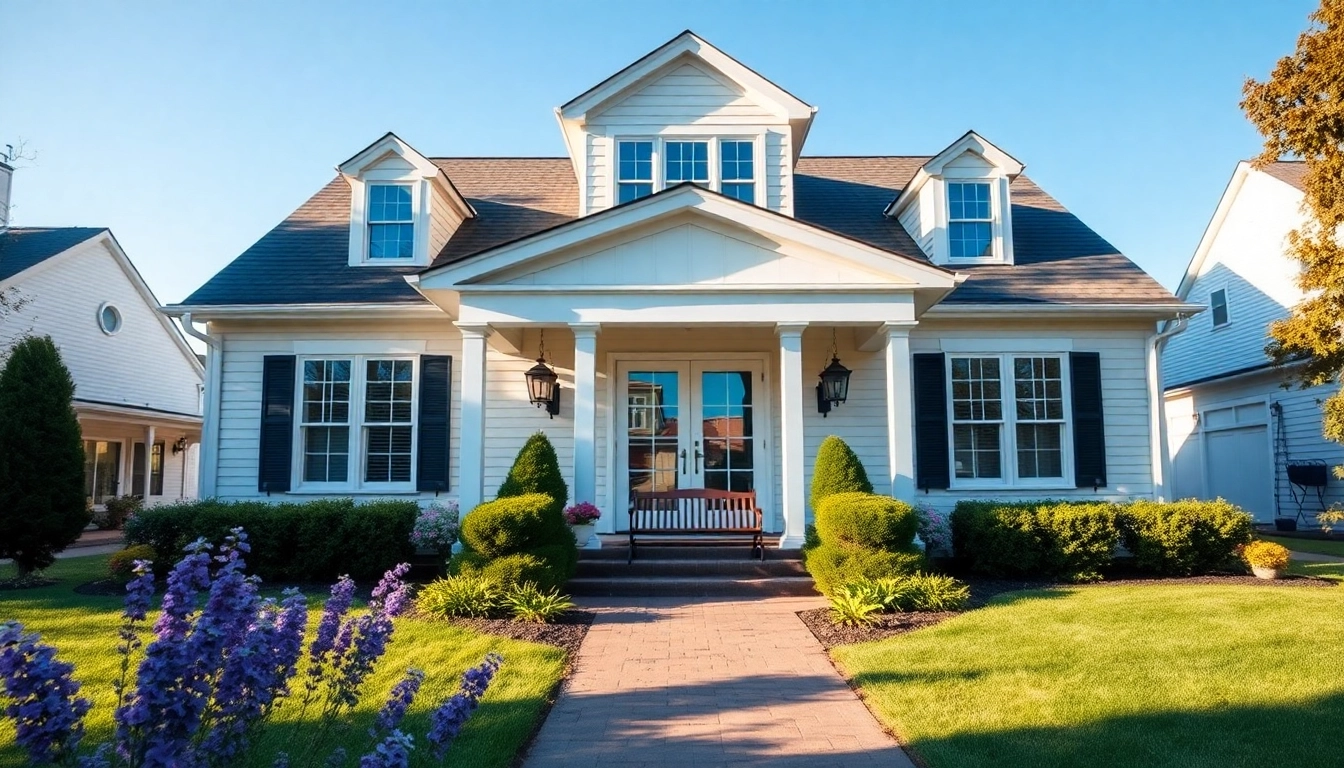
Understanding Colonial Addition: Key Features
A colonial addition is more than just an extension; it’s a thoughtful blend of history and functionality that enhances the charm and practicality of your home. This architectural style has roots in early American history and embodies a sense of tradition and elegance. When considering a colonial addition, understanding its key features can provide insight into how it can elevate your living space.
The Architectural Elements of Colonial Style
The colonial style is characterized by specific architectural elements that reflect its historical origins. Common features include symmetrical facades, gabled roofs, and detailed cornices. The windows are usually double-hung and often adorned with shutters, providing a classic appearance that is both sturdy and inviting. Columns and pilasters are frequently used for entryways, imbuing the structure with a sense of grandeur.
Colonial additions should be designed with these elements in mind, ensuring that they blend seamlessly into the existing architecture. This harmony not only preserves the aesthetic of the home but also respects its historical significance. The goal should be to enhance, rather than overshadow, the original structure.
Benefits of Colonial Addition Design
One of the primary benefits of opting for a colonial addition is the increased living space it provides, which can accommodate growing families or create much-desired functional areas such as home offices, playrooms, or guest suites. Furthermore, colonial architecture is timeless, making it a valuable investment that can enhance the home’s marketability.
Another advantage is the potential for improved energy efficiency. Modern building techniques and materials can be integrated into the design, allowing for better insulation and energy usage. Finally, a colonial addition can significantly enhance curb appeal, presenting a cohesive visual that enriches the neighborhood’s overall character.
Materials Commonly Used in Colonial Additions
Using the right materials is crucial in maintaining the integrity of a colonial addition. Traditional siding materials, such as wood clapboard or brick, complement the original structure. Additionally, roofing materials like slate or architectural shingles can enhance the aesthetic while providing durability.
Windows and doors are also critical components; wood is typically preferred for their classic appearance, but modern advancements have made vinyl options that mimic traditional wood very effective. The choice of paint colors and finishes should reflect the colonial palette—earthy tones and muted shades work best to keep the overall look authentic.
Planning Your Colonial Addition: Essential Steps
Assessing Your Current Space
Before embarking on a colonial addition project, it’s vital to assess your current space thoroughly. Consider aspects such as your home’s existing layout, the functionality of various areas, and which spaces are underutilized. This assessment can help identify where the addition will have the most significant impact and how it can best serve your lifestyle.
Moreover, evaluating the direction of your home can assist in optimizing natural light and maximizing the overall ambiance of the new space. Be sure to consider not just the interior, but how the addition will interact with the outdoor environment as well.
Engaging Architects for Colonial Addition Plans
Enlisting an experienced architect who specializes in colonial architecture is critical. They can provide valuable insights into design elements that respect the historical context of your home while meeting modern needs. Architects will also assist in drafting plans that comply with local regulations and zoning laws.
Collaboration with your architect should involve discussing your needs, desired style, and budget so that they can create tailored solutions that reflect your vision. Involving them early in the process ensures that both the aesthetic and structural integrity are carefully considered.
Budgeting for Your Colonial Addition Project
Establishing a budget for your colonial addition is a critical step in the planning process. This budget should encompass all costs, including construction, permits, and design fees. It’s wise to include a contingency fund—typically 10-15% of the total budget—to account for any unexpected expenses that may arise during construction.
To effectively manage costs, obtain multiple bids from contractors and discuss payment schedules. Additionally, consider the long-term value or return on investment of the addition; a well-planned colonial addition will not only enhance your quality of living but may also add significant value to your property.
Designing Your Colonial Addition: Best Practices
Aligning Your Addition with Original Structure
When designing your colonial addition, it’s vital to ensure alignment with the existing structure. This includes matching the rooflines, maintaining similar window styles, and using compatible building materials. An effective design should highlight the original architecture rather than contrast with it.
To achieve a seamless look, consider consulting with a design expert familiar with the nuances of colonial architecture. They can offer guidance on scale, proportion, and style, ensuring the new addition feels like a natural extension of your home.
Color Palettes and Materials Selection
Color choices play a significant role in preserving the colonial aesthetic. Traditional colonial homes often utilize soft, muted colors that reflect the natural environment—think sage greens, deep blues, or warm neutrals. When looking to choose a color palette for your addition, research colors used in colonial architecture to ensure historical fidelity.
Material selection should align with the typical colonial home, with a preference for natural woods and stones that can weather gracefully over time. The choice of finishing materials, such as wrought iron or brass for hardware, can further accentuate the traditional charm of your addition.
Creating a Seamless Indoor-Outdoor Flow
Enhancing the flow between indoor spaces and the outdoors is essential for creating a harmonious living environment. Design elements such as large windows, sliding doors, or even wraparound porches can facilitate this transition.
Outdoor spaces like patios, decks, or gardens can be integrated with landscaping designs that complement the colonial style, enhancing visual continuity. This not only increases your usable space but also enriches your connection to nature, making your home feel more expansive and inviting.
Common Challenges in Colonial Addition Projects
Navigating Zoning Laws and Permits
Understanding zoning laws and permits is crucial before any construction begins. Local regulations may dictate setback requirements, height restrictions, or design limitations. Failing to comply with these regulations can lead to costly delays and penalties.
Consulting with your architect or contractor familiar with local codes can help mitigate this challenge, ensuring that your plans meet all necessary legal requirements. They can also assist in the application process for building permits, streamlining your project timeline.
Addressing Structural Concerns
Adding a colonial addition often raises structural concerns that must be addressed early in the planning phase. Assessing the foundation and overall condition of the existing structure is paramount, as any underlying issues can complicate construction efforts.
Engaging a structural engineer can provide valuable insights into how the existing building can support the new addition. They can recommend necessary reinforcements and modifications, which may increase initial costs but are essential for ensuring the long-term stability and safety of your home.
Maintaining Historical Integrity
One of the greatest challenges in a colonial addition project is preserving the historical integrity of the home. It’s essential to capture the spirit and character of the original architecture while incorporating contemporary conveniences.
Studying the historical context of your home can guide design decisions that pay homage to its past. This might include retaining original architectural details, using similar color schemes, and selecting period-appropriate materials. Regular liaising with preservation experts can help maintain this balance successfully.
Real-Life Examples of Successful Colonial Additions
Case Study: A Sympathetic Expansion
One notable example of a successful colonial addition involved an expanded living area that seamlessly integrated with a traditional colonial home. The homeowners and architect collaborated to match the window styles and roofline, resulting in a cohesive look. Decorative elements, such as period-specific moldings and trims, were incorporated, enhancing the charm of the overall structure.
Through intelligent design, they managed to create a spacious open-plan kitchen that flowed into the original dining area while retaining the essence of colonial architecture—a perfect blend of modern functionality and historical respect.
Lessons Learned from Colonial Addition Projects
Several lessons can be gleaned from various colonial addition projects. First, early planning and transparency with your architect can prevent miscommunication down the road. Maintaining a firm grasp on your design vision while being open to expert advice often leads to the best results.
Additionally, documenting the construction process can serve as a valuable resource for future projects or renovations. Meticulous records of designs, materials, and finishes can help guide subsequent choices for upkeep or future additions.
Inspiration from Various Colonial Styles
There are many different colonial styles, each offering unique design features that could inspire your addition. For example, Georgian Colonial homes stand out with their symmetrical facades and elaborate doorways, while Cape Cod Colonial elements showcase simplicity and functionality. Drawing upon these various styles can inform your architectural decisions and ensure a harmonious look.
Traveling to see historical colonial homes, or researching through books and online resources, can provide a wealth of inspiration that helps you define your vision for a colonial addition that sits perfectly within its context.
Frequently Asked Questions
What is a colonial addition?
A colonial addition is an expansion to a colonial-style home that enhances its living space while maintaining the architectural integrity of its original structure.
How can I find an architect for my colonial addition?
Look for architects who specialize in historical renovations or traditional architecture. They will have the expertise needed to design your addition respectfully and harmoniously.
What materials are best for a colonial addition?
Opt for natural materials like wood, brick, and stone that align with traditional colonial homes. These materials contribute to authenticity and durability.
Will a colonial addition enhance my home’s value?
Yes, a well-designed colonial addition can significantly enhance your home’s value by adding usable space and aesthetic appeal while respecting historical significance.
How can I ensure my addition maintains historical integrity?
Research your home’s historical style and consult with preservation experts. Aim to match design elements, materials, and colors to complement the original architecture.