
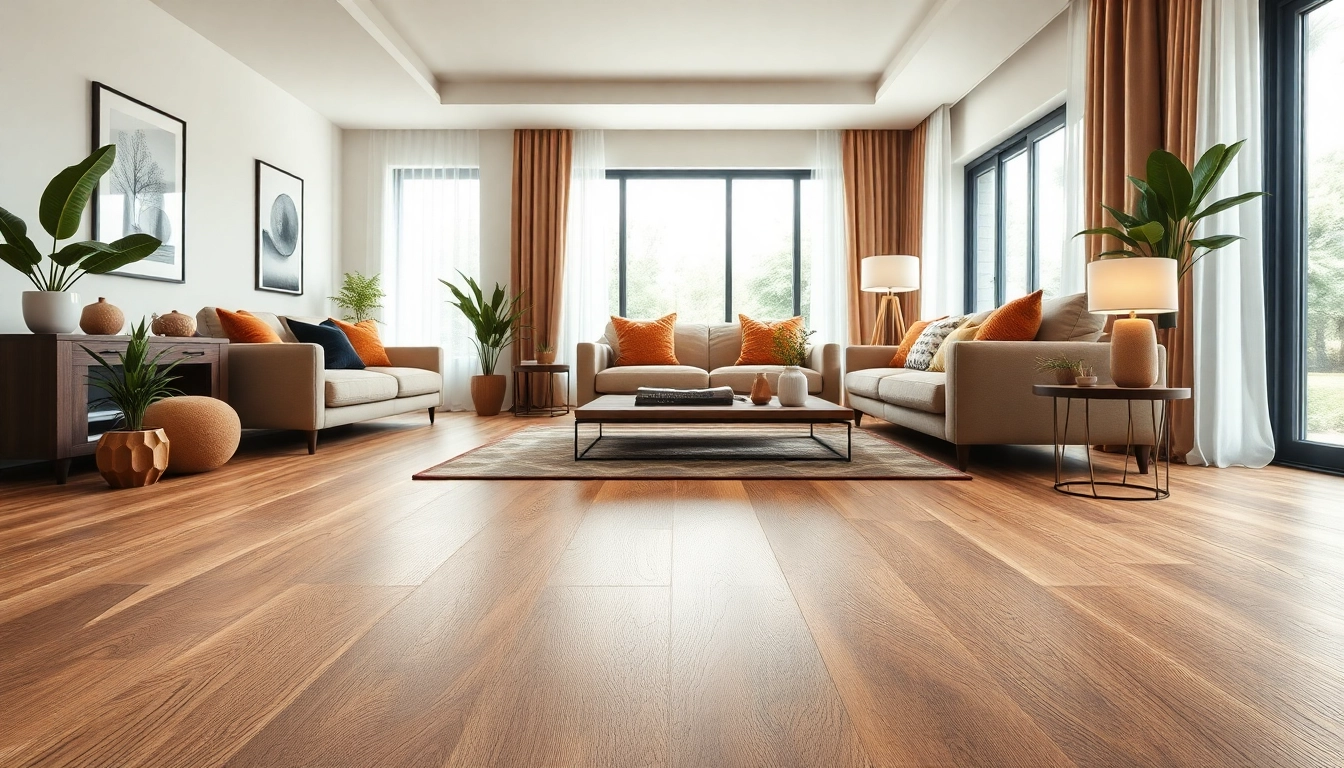
Understanding Flooring Options Available Near Me
When it comes to choosing flooring options, many homeowners grapple with the decision of what material best suits their space. With a variety of choices, factors to consider, and the necessity for quality, finding the best flooring near me can be a daunting task. This guide will elucidate the various flooring types, their cost considerations, and the unique benefits each material provides, ensuring that you make an informed decision.
Types of Flooring: Key Choices
When navigating the flooring landscape, it’s essential to understand the different options available. Below are the primary types of flooring that are popular among homeowners:
- Hardwood Flooring: Known for its aesthetic appeal and longevity, hardwood flooring is a timeless choice. It adds value to homes and comes in various species, finishes, and colors.
- Laminate Flooring: An affordable alternative that mimics hardwood appearance, laminate is durable and resistant to scratches, making it great for busy households.
- Vinyl Flooring: A versatile, moisture-resistant option available in sheets, tiles, or planks. Luxury vinyl adds a touch of elegance while remaining functional.
- Tile Flooring: Perfect for wet areas like kitchens and bathrooms, tile is durable and easy to clean. It comes in various materials including ceramic, porcelain, and stone.
- Carpet: Soft and comfortable, carpet is suitable for bedrooms and living rooms. It comes in various styles, colors, and textures, but requires more maintenance.
- Cork Flooring: An eco-friendly option, cork is soft underfoot and offers good insulation. It is resistant to mold and mildew, making it suitable for various environments.
Cost Considerations When Choosing Flooring
The cost of flooring can vary widely and is influenced by several factors, including the type of material, the size of the area, and installation costs. Here’s a breakdown of some considerations:
- Material Costs: Hardwood tends to be more expensive than laminate or vinyl. On average, hardwood can cost between $5 to $15 per square foot, while laminate and vinyl may range from $1 to $5 per square foot.
- Installation Costs: Professional installation can add significantly to your budget. Typically, labor costs range from $3 to $10 per square foot, depending on complexity and localized labor rates.
- Long-Term Value: While a lower upfront cost might be tempting, consider the lifespan and maintenance of the flooring. Investing in higher-quality materials may save you money in the long run.
Benefits of Various Flooring Materials
Each flooring material comes with its set of advantages. Knowing these benefits can help distinguish which flooring option suits your needs best:
- Hardwood: Adds warmth and value to any home.
- Laminate: Easy to install and maintain, with a variety of styles available.
- Vinyl: Ideal for kitchens and bathrooms due to its water-resistant capabilities.
- Tile: Extremely durable and offers countless design possibilities.
- Carpet: Provides comfort and insulation, reducing noise levels.
- Cork: Eco-friendly and antimicrobial properties, creating a healthier home environment.
How to Choose the Right Flooring Near Me
Selecting the appropriate flooring involves meticulous consideration of your specific needs and the characteristics of your space. Here’s how to effectively approach the decision-making process:
Assessing Your Space and Needs
Begin by evaluating the space where you intend to install the flooring:
- Room Function: Understand the daily activities that will occur in that space. High-traffic areas may require more durable materials.
- Exposure to Moisture: Kitchens and bathrooms require flooring that withstands humidity and spills. Consider waterproof options like vinyl or tile.
- Overall Aesthetic: The flooring must complement your existing decor, enhancing the overall ambiance of your home.
Consulting with Flooring Experts
Consulting professionals is invaluable when choosing flooring:
- Expert Advice: Professionals can provide insights based on their experience and knowledge about the latest trends and materials.
- Flooring Showrooms: Visiting showrooms allows you to see and feel flooring samples, making it easier to envision them in your space.
- Budgeting Help: Experts can guide you in assessing your budget while considering quality products suitable for your needs.
Testing Samples Before Buying
Before committing to a flooring choice, testing samples is highly recommended:
- Order Samples: Most retailers allow you to request samples at little or no cost. This allows you to see how the flooring looks under different lighting conditions.
- Test Durability: Walking on samples with shoes can help you gauge their durability and feel.
- Visualize in Your Space: Use painter’s tape to outline areas in your room, thus visualizing how the flooring will fit into your overall design.
Installation Process for Flooring Near Me
Once you’ve chosen your flooring, the next step is installation. Understanding the process can ensure a smooth experience:
Preparing Your Space for Installation
Preparation is key to successful flooring installation:
- Clear the Area: Remove all furniture and items from the space to allow ample room for installation.
- Check the Subfloor: Ensure the subfloor is level, clean, and dry. Any imperfections may affect the flooring installation.
- Climate Control: Maintain the recommended temperature and humidity levels. Most materials require specific conditions for proper installation.
DIY vs Professional Installation: Pros and Cons
Choosing between DIY installation or hiring professionals is pivotal and includes the following pros and cons:
- DIY Installation:
- Pros: Cost savings on labor, flexibility in scheduling, accomplishment of personal effort.
- Cons: Potential for mistakes, time-consuming, requires tools and skills.
- Professional Installation:
- Pros: Expertise ensures quality results, time-efficient, warranties may apply.
- Cons: Higher overall cost, less control on scheduling and process.
Ensuring Proper Maintenance and Care
Post-installation, flooring maintenance is crucial for longevity:
- Regular Cleaning: Implement regular cleaning routines specific to the flooring material to prevent dirt buildup.
- Preventive Measures: Use area rugs in high-traffic areas to protect flooring from wear.
- Addressing Issues Immediately: Respond to any scratches, stains, or damages promptly to avoid further complications.
Popular Flooring Trends Available Nearby
Staying abreast with trends helps you select contemporary styles that enhance your home’s aesthetic. Here are some flooring trends to consider:
Eco-Friendly Flooring Options
Eco-conscious consumers are increasingly leaning toward environmentally sustainable choices. Popular eco-friendly flooring options include:
- Bamboo: Fast-growing and renewable, bamboo offers durability and style.
- Cork: Harvested from the bark of cork trees, this material is not only renewable but also provides natural insulation.
- Recycled Materials: Flooring made from recycled content reduces waste and conserves resources.
Aesthetic Trends in Flooring Designs
Current design trends showcase a desire for individuality and uniqueness. Consider:
- Bold Colors and Textures: Unique hues and finishes can make a statement and reflect personal style.
- Patterned Flooring: Geometric patterns or mixed materials can create visual interest.
- Natural Finishes: The movement toward natural-looking finishes provides warmth and organic appeal.
Durability Ratings and Lifespan Insights
Understanding the lifespan and durability ratings of different flooring materials will help you choose wisely:
- Hardwood: Typically lasts 25-30 years with proper maintenance.
- Laminate: Generally lasts about 15-25 years depending on quality.
- Vinyl: Can last 10-20 years, with luxury vinyl lasting even longer.
- Tile: Extremely durable, with some varieties lasting a lifetime.
- Carpet: Depending on quality, lifespan can range from 5-15 years.
FAQs About Flooring Near Me
What materials are best for high-traffic areas?
For high-traffic areas, laminate and luxury vinyl are durable choices that resist wear.
How can I find reputable flooring installers?
Check online reviews, ask for referrals, and verify credentials to ensure quality installation services.
What’s the average cost of flooring per square foot?
The average cost of flooring varies widely, typically ranging from $1 to $10 per square foot, depending on materials.
How long can I expect my flooring to last?
Flooring lifespan depends on material; hardwood can last 25-30 years, while carpet may last 5-15 years with proper care.
What are eco-friendly flooring options?
Bamboo, cork, and recycled materials are popular eco-friendly flooring choices that reduce environmental impact.